

WE CAN FULFILL YOUR DREAM OF BEING PARENTS, EMBRACE LIFE
With more than 25 years of experience, Memorial fertility Center offer a wide variety of assisted reproduction treatments, tailored to each case. We offer you completely personalized “VIP treatment”. We give you all our attention and go the extra mile to support you because you deserve the peace of mind that comes from being in the best hands.
Fertility Center (IVF)
Welcome to reproductive medicine designed for you.

Memorial in Vitro Fertilization (IVF) Centers try to find solutions for many different issues by means of their medical specialist team, from failed IVF cases to elderly women becoming mothers, from severe male infertility to recurrent miscarriages. Our IVF Centers can diagnose many genetically transmitted diseases such as thalassemia, muscle diseases and hemophilia in embryos and thus help healthy children be born.
Implantation Failure
The treatment of implantation failure requires a specialized approach, which at Memorial Fertility Center we take care of from a specific multidisciplinary unit.
It is defined as the failure to achieve a viable pregnancy after IVF treatments. It includes patients who do not gestate and those who have suffered early abortion.
Some causes are maternal but most are embryonic.
The treatment of embryonic implantation failure requires a multidisciplinary assessment; for this reason, at the Memorial Center, we created a working group specializing in these disorders.
Treatments
There are a number of treatment methods that can solve these problems, and improve chance of implantation success. A simple aspirin can be used for any problems with blood clotting discovered through the thrombophilia screen.
Endometrial scratch is a method of stimulating the womb prior to implantation that has been shown to improve implantation outcomes in those that had previously suffered with repeated implantation failure. Embryo selection techniques can help to overcome certain causes of cycle failure, such as a genetic screen of embryos, and using an embryoscope to monitor development of the embryo using time lapse technology.
At the same time, another technique that has shown its benefits in carefully selected cases is the intrauterine application of platelet-rich plasma (PRP). Recent studies have shown good results on the role of platelets in the repair and regeneration of different tissues in patients with recurrent embryo implantation failure and in women with refractory endometrium. The use of platelet-rich plasma from the patient herself could improve endometrial receptivity and, consequently, implantation.
Irregular Cycle
One of the main questions we see on a daily basis in gynecological consultations is associated with irregular menstrual cycles. There’re various causes and/or factors that influence the menstrual cycle irregularity. With regard to hormonal factors as such, we can mention the following:
- Polycystic Ovary Syndrome
- Hyperprolactinemia (increased prolactine).
- Thyroid disorders
- Ovarian insufficiency
There are other factors that can affect menstrual regularity such as:
- Coagulation disorders
- Presence of polyps, fibroids, endometriosis, etc.
- Stress
- Eating disorders (anorexia)
- Obesity
- Intense physical exercise.
Most patients with irregular cycles do not ovulate, which means the egg is not released into the fallopian tube and fertilization does not occur. However, some patients with irregular cycles may have an occasional ovulatory cycle and achieve the desired pregnancy. In the case of patients with irregular cycles who are seeking pregnancy and the couple has a normal previous study, we can offer treatment to help achieve ovulatory cycles.
Treatments
Many of these couples can benefit from Directed Coitus using oral ovulation inducers, such as oral ovulation stimulants, or using Gonadotrophins subcutaneously at low doses. This type of treatment requires monitoring from the beginning, to assess follicular development and hormone levels ultrasonographically. This treatment aims to generate ovulatory cycles and schedule sexual relations at home when the ultrasound and hormonal criteria are met to trigger ovulation.
Artificial Insemination (AI) is another technique that can be indicated in cases of patients with irregular cycles. In order to carry out this technique, a previous study of the couple is required. As with directed coitus, the aim of this technique is to achieve an ovulatory cycle and trigger ovulation when ultrasound and/or analytical criteria are met. We can schedule the insemination 36-38 hours later at our clinic, previously preparing the seminal sample (capacitation).
In vitro Fertilization (IVF) is one of the techniques that could be indicated in cases of irregular cycles, such as those associated with maternal age, alteration of the fallopian tubes (obstruction), alterations in the seminogram, or failure of previous treatments (directed intercourse, artificial insemination).
Low Ovarian Reserve
Women are born with the entire amount of oocytes that they will have during their whole life. As time passes by, these oocytes will be lost until they completely run out with the onset of menopause.
The ovarian reserve is defined as the total quantity of suitable oocytes available in a woman’s ovaries at any given time, which shall determine the number of oocytes that can be obtained during IVF treatment.
To measure ovarian reserve, we use the antral follicle count by ultrasound and the Anti Mullerian Hormone (AMH).
As previously indicated, ovarian reserves reduce progressively with age until they completely run out. The main cause of low ovarian reserve is age. However, reserves can greatly vary even among women of the same age, with some women showing a low reserve earlier than others.
Treatments
Over the last few years, our Unit has developed and perfected the most innovative stimulation protocols. From adjuvant therapies to improve ovarian tenderness to luteal phase stimulation, including the accumulation of vitrified oocytes and the use of soft protocols, all the above techniques have been implemented in order to obtain promising results in patients who would otherwise be required to find an oocyte donor.
Male Factor
Recent researchers have shown that 47% of infertility cases in a couple are down to an issue with the man. The most common issues amongst men are “changes in the sperm with no apparent cause”. That is a low number of sperm, poor sperm mobility, or abnormal morphology. Additionally, there may be more concrete and identifiable reasons for changes in sperm such as obstruction issues, infection, diseases, or genetic reasons which impede egg fertilization or which affect embryo quality. Sometimes during the analysis process, an associated pathology is detected in the man and which may be caused by infertility but we also find a related illness that may be the cause or effect of that infertility.
It’s essential to consult a specialist in order to determine the specific tests and most appropriate steps for each patient. During that visit with the doctor, the possible common sterility issues, possible exposure to toxins, lifestyle, etc. are analyzed. An appointment with an andrologist is also essential. He/she will carry out exploration and analysis and will recommend the best technique for obtaining sperm. The two main types of way to obtain it is by testicle biopsies which can be carried out for sperm removal are MESA and TESE.
Treatments
For the treatment, the ideal technique is ICSI (Intra-Cytoplasmic Sperm Injection) when the male factor is moderate or severe. If sperm abnormality is light, other techniques may be used like AIH.
Unexplained Infertility
Nowadays, basic sterility studies are unable to detect the exact cause of over 25% of all cases, which doesn’t mean that it can’t be diagnosed with specific tests or that a case with an unknown cause can’t be properly treated. It is important for the couple to improve their reproductive health and create a favorable environment for conception by eliminating toxic substances such as tobacco and illegal drugs that affect the quality of reproductive cells, being aware of the most fertile days of the cycle, including antioxidants and certain vitamins in the diet, correcting unbalances in body weight and finally, improving and adjusting their sexual technique.
Diagnosis and Treatments
In many cases, the diagnosis and treatment come together. Thus, In Vitro Fertilization allows us for the first time to see the quality of the eggs (female reproductive cells), since we don’t know anything about them until they are collected from the ovaries. We also study the interrelationship with sperm. If fertilization takes place naturally or there is a failure due to abnormal egg/sperm interaction (which is often called “incompatibility” and successfully treated through IVF). Lastly, we can also learn about the key player: the embryo, since the cause of the problem often does not lie in either the man or the woman, but rather in the embryo.
Why Memorial
1200+
Expert Doctors
25
Years of Experience
21845+
/ per year
Positive Feedback
13
Hospitals & Clinic
A World-Class Brand Revolutionizing the Future of Healthcare

Sustainability

Turkey’s first JCI Accreditation Certificate
*Şişli, Ankara, and Bahçelievler

ISO Accreditation Certificate
*Şişli

*Bahçelievler
*Şişli
A World-Class ACADEMIC APPROACH and EXPERT MEDICAL CARE

More than 1300 physicians, with 700 of them holding academic titles

Over 7300 healthcare workers

First Patient Experience Center in Turkey

Trustworthy and ethical service approach

Over 7300 healthcare workers


Comprehensive Diagnosis and Treatment Centres
Our Packages

Free Second Medical Opinion
Provides an independent review of your diagnosis and treatment plan by physicians who are experts in their fields without travelling out of the country

Airport Transfer
We offer our patients transportation service between the airport, hotel and the hospital.

Accommodation
Our packages include accommodation in 3 stars, 4 stars and 5 stars hotels.

Translator
Our Doctors | Memorial Hospitals
Memorial is the home of trust in healthcare with its specialist doctors, physicians, healthcare staff who combine their knowledge and experience with tender care to the international patients.
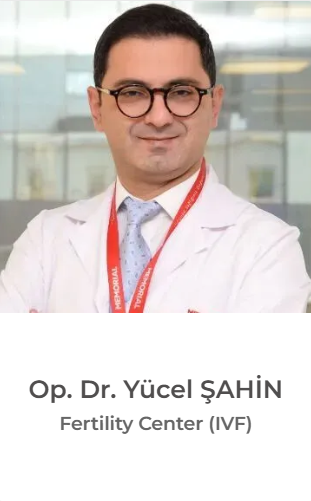
Our Doctors Answers to FAQs
What is IVF? How is ICSI different from IVF?
The process of fertilization by combining spermatozoa and egg cells in a laboratory environment is called “IVF method”.
While applying the microinjection technique, a single sperm cell taken from the father candidate is placed in the egg cell obtained from the mother candidate with a thin needle under a microscope and fertilization is achieved. For this reason, the chance of fertilization and pregnancy is increased with the microinjection method, especially in male-induced infertility.
What is Pre-Implantation Genetic Diagnosis or Testin (PGD/PGT)
Methods used to detect and avoid transmission to the embryo of serious diseases caused by genetic abnormalities and/or chromosomal abnormalities that sometimes make getting pregnant imposible, cause premature pregnancy loss or lead to the birth o a child with special needs
What is PGD? And why it is important?
Pre-implantation genetic diagnosis (PDG) or the pre-implantation genetic test (PGT) is a genetic analysis of the embryo that is performed by studying a biopsy of its cells prior to transfer to the mother’s uterus. The information obtained means that we can:
- Avoid the transfer of embryos that, would lead to premature pregnancy loss or that would not lead to the birth of a healthy child.
- Locate and prevent serious illnesses in the embryo caused by genetic abnormalities.
Types of Pre-Implantation Genetic Diagnosis
- Chromosomal abnormality PGT-A. An aneuploidy detection pre-implantation genetic test.
- PGT-M pre-implantation genetic test for detecting monogenic disorders.
- PGT-SR for structural abnormality diagnosis.
Is there a difference in pregnancy rates between frozen embryo and fresh transfer?
There is no difference between frozen embryo transfer and fresh transfer in terms of pregnancy rate. In some cases, embryo transfer with freezing-thawing can positively affect the pregnancy rates.
What are the success rates of IVF treatment in unexplained infertility?
Women and men are evaluated together in couples who apply due to the desire to have a baby. Almost 20% of couples applying to IVF centers do not have any problems in men or women; we call this group “unexplained infertility”. In unexplained infertility tests and examinations, the unseen problem sometimes occurs while working with eggs and sperm cells during the laboratory stage, and pregnancy cannot be achieved even though there is no significant problem there. Here, of course, the age of the woman and ovarian reserve will also affect the success of getting pregnant very closely.
How Low Ovarian Reserve impacts your chances of successful IVF?
A decline in genetically normal eggs is natural and becomes more common after the age of 34. However, there are also factors that decrease the ovarian reserve for women of any age. This includes smoking, ovarian scarring from endometriosis, and pelvic infections.
Complications from surgeries and other medical treatments, including cancer treatments, may also result in low-quality eggs. Aside from this, a small percentage of women, simply, are born with a lower number of eggs.
A low ovarian reserve does not mean that the available eggs are abnormal. With IVF treatments, women 40 years of age or older have a live birth rate of 20 per cent. A limited reserve may lower the chances of successful conception. However, Memorial Fertility center offers alternative solutions that may increase the odds.
Fertility Center (IVF)
Welcome to reproductive medicine designed for you.

The treatment of implantation failure requires a specialized approach, which at Memorial Fertility Center we take care of from a specific multidisciplinary unit.
It is defined as the failure to achieve a viable pregnancy after IVF treatments. It includes patients who do not gestate and those who have suffered early abortion.
Some causes are maternal but most are embryonic.
The treatment of embryonic implantation failure requires a multidisciplinary assessment; for this reason, at the Memorial Center, we created a working group specializing in these disorders.
Treatments
There are a number of treatment methods that can solve these problems, and improve chance of implantation success. A simple aspirin can be used for any problems with blood clotting discovered through the thrombophilia screen.
Endometrial scratch is a method of stimulating the womb prior to implantation that has been shown to improve implantation outcomes in those that had previously suffered with repeated implantation failure. Embryo selection techniques can help to overcome certain causes of cycle failure, such as a genetic screen of embryos, and using an embryoscope to monitor development of the embryo using time lapse technology.
At the same time, another technique that has shown its benefits in carefully selected cases is the intrauterine application of platelet-rich plasma (PRP). Recent studies have shown good results on the role of platelets in the repair and regeneration of different tissues in patients with recurrent embryo implantation failure and in women with refractory endometrium. The use of platelet-rich plasma from the patient herself could improve endometrial receptivity and, consequently, implantation.
One of the main questions we see on a daily basis in gynecological consultations is associated with irregular menstrual cycles. There’re various causes and/or factors that influence the menstrual cycle irregularity. With regard to hormonal factors as such, we can mention the following:
- Polycystic Ovary Syndrome
- Hyperprolactinemia (increased prolactine).
- Thyroid disorders
- Ovarian insufficiency
There are other factors that can affect menstrual regularity such as:
- Coagulation disorders
- Presence of polyps, fibroids, endometriosis, etc.
- Stress
- Eating disorders (anorexia)
- Obesity
- Intense physical exercise.
Most patients with irregular cycles do not ovulate, which means the egg is not released into the fallopian tube and fertilization does not occur. However, some patients with irregular cycles may have an occasional ovulatory cycle and achieve the desired pregnancy. In the case of patients with irregular cycles who are seeking pregnancy and the couple has a normal previous study, we can offer treatment to help achieve ovulatory cycles.
Treatments
Many of these couples can benefit from Directed Coitus using oral ovulation inducers, such as oral ovulation stimulants, or using Gonadotrophins subcutaneously at low doses. This type of treatment requires monitoring from the beginning, to assess follicular development and hormone levels ultrasonographically. This treatment aims to generate ovulatory cycles and schedule sexual relations at home when the ultrasound and hormonal criteria are met to trigger ovulation.
Artificial Insemination (AI) is another technique that can be indicated in cases of patients with irregular cycles. In order to carry out this technique, a previous study of the couple is required. As with directed coitus, the aim of this technique is to achieve an ovulatory cycle and trigger ovulation when ultrasound and/or analytical criteria are met. We can schedule the insemination 36-38 hours later at our clinic, previously preparing the seminal sample (capacitation).
In vitro Fertilization (IVF) is one of the techniques that could be indicated in cases of irregular cycles, such as those associated with maternal age, alteration of the fallopian tubes (obstruction), alterations in the seminogram, or failure of previous treatments (directed intercourse, artificial insemination).
Women are born with the entire amount of oocytes that they will have during their whole life. As time passes by, these oocytes will be lost until they completely run out with the onset of menopause.
The ovarian reserve is defined as the total quantity of suitable oocytes available in a woman’s ovaries at any given time, which shall determine the number of oocytes that can be obtained during IVF treatment.
To measure ovarian reserve, we use the antral follicle count by ultrasound and the Anti Mullerian Hormone (AMH).
As previously indicated, ovarian reserves reduce progressively with age until they completely run out. The main cause of low ovarian reserve is age. However, reserves can greatly vary even among women of the same age, with some women showing a low reserve earlier than others.
Treatments
Over the last few years, our Unit has developed and perfected the most innovative stimulation protocols. From adjuvant therapies to improve ovarian tenderness to luteal phase stimulation, including the accumulation of vitrified oocytes and the use of soft protocols, all the above techniques have been implemented in order to obtain promising results in patients who would otherwise be required to find an oocyte donor.
Recent researchers have shown that 47% of infertility cases in a couple are down to an issue with the man. The most common issues amongst men are “changes in the sperm with no apparent cause”. That is a low number of sperm, poor sperm mobility, or abnormal morphology. Additionally, there may be more concrete and identifiable reasons for changes in sperm such as obstruction issues, infection, diseases, or genetic reasons which impede egg fertilization or which affect embryo quality. Sometimes during the analysis process, an associated pathology is detected in the man and which may be caused by infertility but we also find a related illness that may be the cause or effect of that infertility.
It’s essential to consult a specialist in order to determine the specific tests and most appropriate steps for each patient. During that visit with the doctor, the possible common sterility issues, possible exposure to toxins, lifestyle, etc. are analyzed. An appointment with an andrologist is also essential. He/she will carry out exploration and analysis and will recommend the best technique for obtaining sperm. The two main types of way to obtain it is by testicle biopsies which can be carried out for sperm removal are MESA and TESE.
Treatments
For the treatment, the ideal technique is ICSI (Intra-Cytoplasmic Sperm Injection) when the male factor is moderate or severe. If sperm abnormality is light, other techniques may be used like AIH.
Nowadays, basic sterility studies are unable to detect the exact cause of over 25% of all cases, which doesn’t mean that it can’t be diagnosed with specific tests or that a case with an unknown cause can’t be properly treated. It is important for the couple to improve their reproductive health and create a favorable environment for conception by eliminating toxic substances such as tobacco and illegal drugs that affect the quality of reproductive cells, being aware of the most fertile days of the cycle, including antioxidants and certain vitamins in the diet, correcting unbalances in body weight and finally, improving and adjusting their sexual technique.
Diagnosis and Treatments
In many cases, the diagnosis and treatment come together. Thus, In Vitro Fertilization allows us for the first time to see the quality of the eggs (female reproductive cells), since we don’t know anything about them until they are collected from the ovaries. We also study the interrelationship with sperm. If fertilization takes place naturally or there is a failure due to abnormal egg/sperm interaction (which is often called “incompatibility” and successfully treated through IVF). Lastly, we can also learn about the key player: the embryo, since the cause of the problem often does not lie in either the man or the woman, but rather in the embryo.
At Memorial Fertility Center we maximize your chances of pregnancy by mastering and refining the use of the most innovative fertility techniques and genetic tests. Currently, we are pioneers in Intracytoplasmic sperm injection (ICSI), with Dr. Semra Karhaman who achieved the first ICSI birth in the world. In addition, we use Embryoscope+ without a doubt the best incubator in the world. We place all the best at your disposal for you to get pregnant. Without anxiety or complications, you will enjoy the experience of being a mother, at last.
Why Choose Us?
With a focus on patient satisfaction, Memorial Hospitals upholds international healthcare standards and quality systems to ensure every patient receives truly world-class care.
1200+
Expert Doctors
25
Years of Experience
21845+
/ per year
Positive Feedback
13
Hospitals & Clinic
A WORLD BRAND CARRYING THE FUTURE TO PRESENT!

Sustainability

Turkey’s first JCI Accreditation Certificate
*Şişli, Ankara, Bahçelievler, Medstar Antalya

ISO Accreditation Certificate
*Şişli

First Leed Platinum Certificate
*Bahçelievler
*Şişli
Distinguished Academic and Expert Education Staff

More than 1300 physicians, whose 700 of them with academic titles

Pioneer in scientific research and new applications

Over 7300 healthcare workers

International Training Program in Organ Transplantation from Live Donor
First Patient Experience Center in Turkey

Trustworthy and ethical service approach

We work to add value to the lives we touch

Perfection and honesty focused medical approach

2018, 2019 and 2020 Patient Experience Award
Comprehensive Diagnosis and Treatment Centers

Advanced technology in oncology (TrueBeam STx, Elektra Versa HD Signature)

International Reference Center in Organ Transplantation

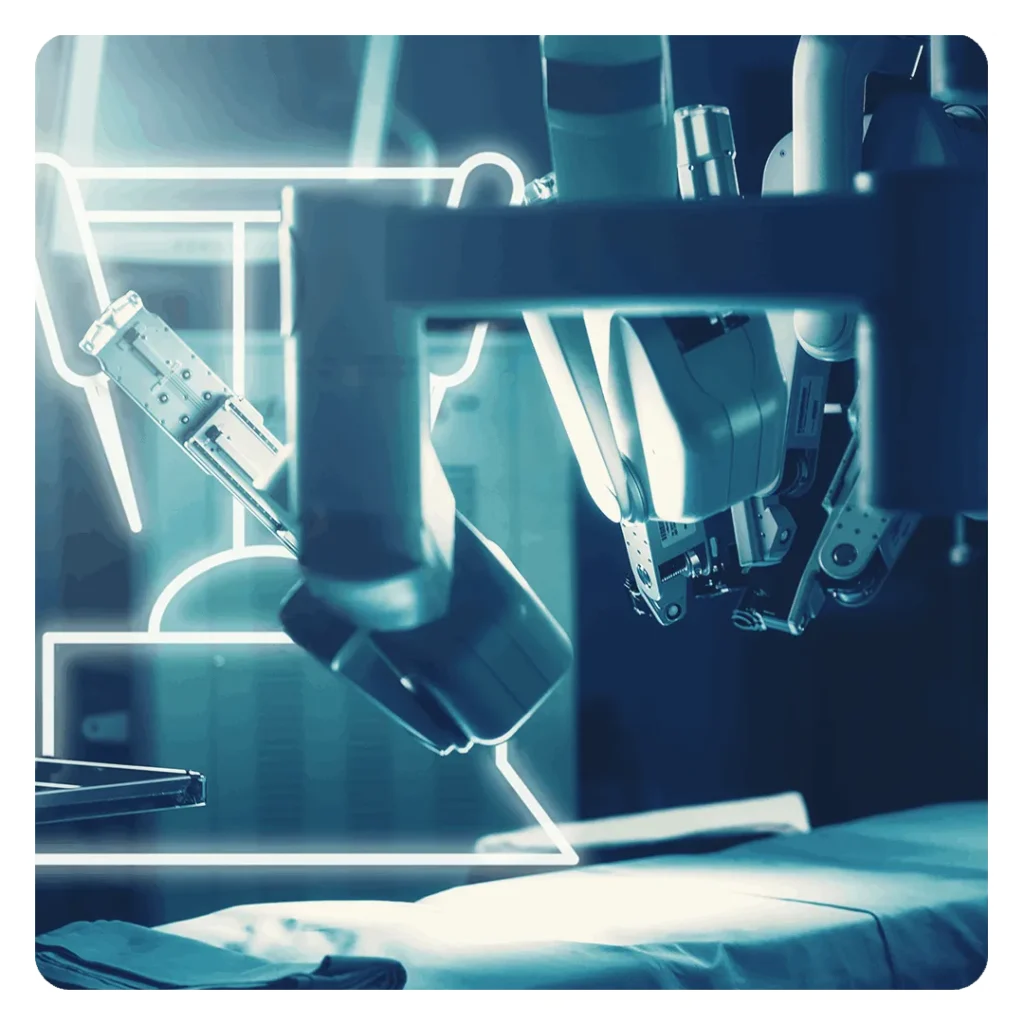
First Kidney Transplant to Receiver with Robotic Surgery in Turkey (Da Vinci XI)

Comprehensive Prostate and Advanced Endoscopy Center

Free Second Medical Opinion
Provides an independent review of your diagnosis and treatment plan by physicians who are experts in their fields without travelling out of the country

Airport Transfer
We offer our patients transportation service between the airport, hotel and the hospital.

Accommodation
Our packages include accommodation in 3 stars, 4 stars and 5 stars hotels.

Translator
Our professional interpreters will be with you once you come to Memorial Hospitals until you turn back to your country
Our Doctors | Memorial Hospitals
Memorial is the home of trust in healthcare with its specialist doctors, physicians, healthcare staff who combine their knowledge and experience with tender care to the international patients.
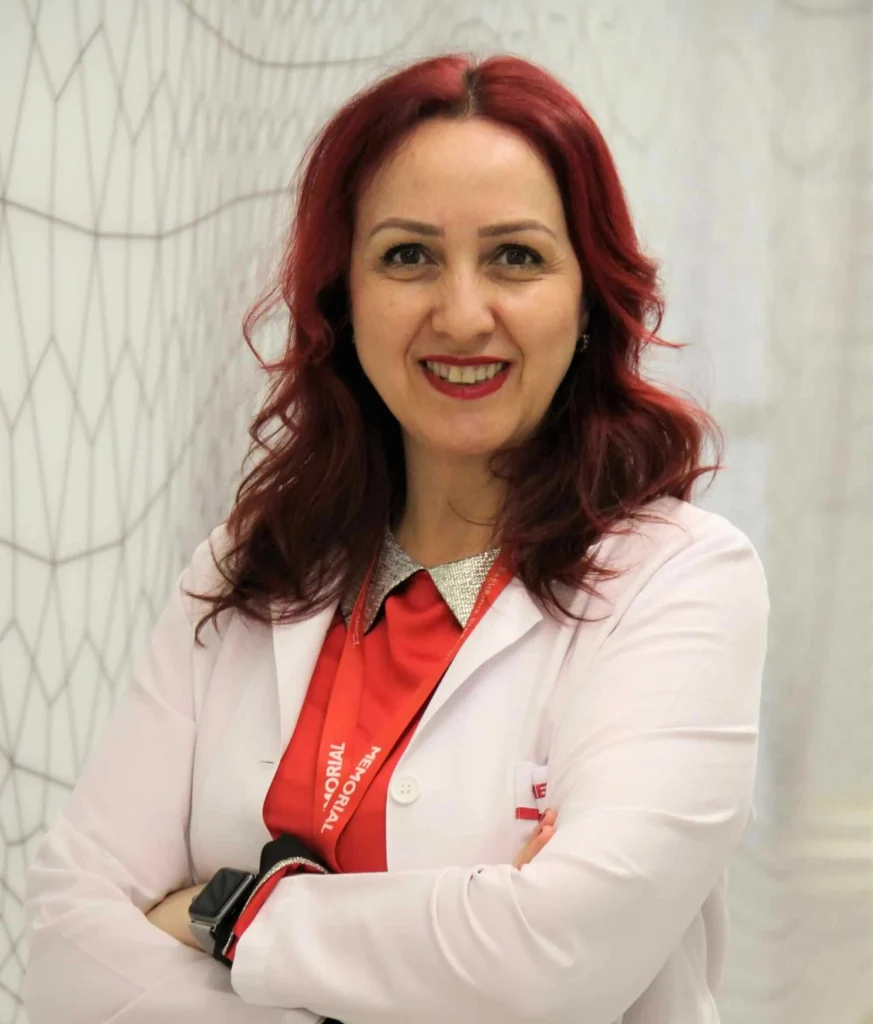
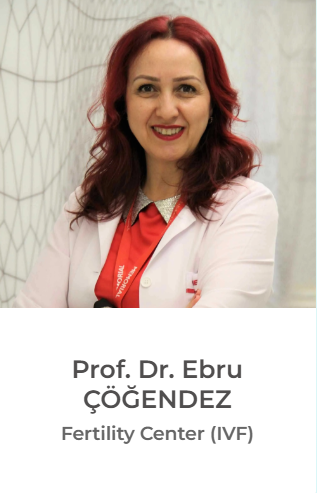
Prof. Dr. Ebru ÇÖĞENDEZ
27+ Years Experience
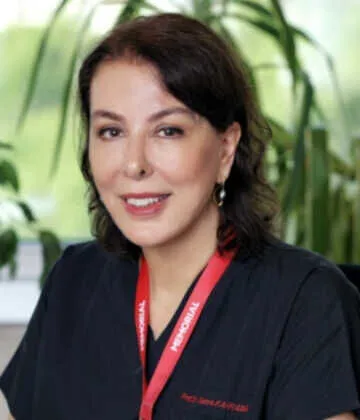
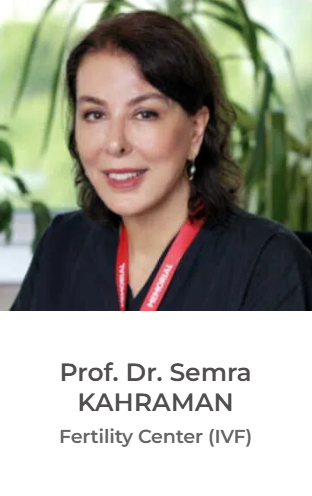
Prof. Dr. Semra KAHRAMAN
35+ Years Experience
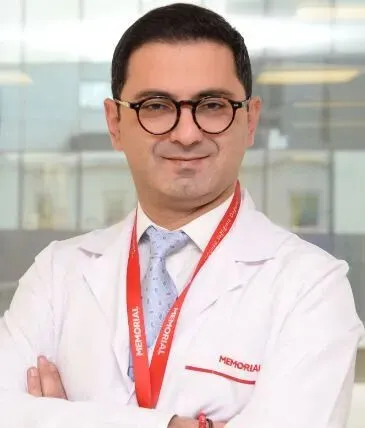
Prof. Dr. Ebru ÇÖĞENDEZ
17+ Years Experience
Our Doctors Answers to FAQs
What is IVF? How is ICSI different from IVF?
The process of fertilization by combining spermatozoa and egg cells in a laboratory environment is called “IVF method”.
While applying the microinjection technique, a single sperm cell taken from the father candidate is placed in the egg cell obtained from the mother candidate with a thin needle under a microscope and fertilization is achieved. For this reason, the chance of fertilization and pregnancy is increased with the microinjection method, especially in male-induced infertility.
What is Pre-Implantation Genetic Diagnosis or Testin (PGD/PGT)
Methods used to detect and avoid transmission to the embryo of serious diseases caused by genetic abnormalities and/or chromosomal abnormalities that sometimes make getting pregnant imposible, cause premature pregnancy loss or lead to the birth o a child with special needs
What is PGD? And why it is important?
Pre-implantation genetic diagnosis (PDG) or the pre-implantation genetic test (PGT) is a genetic analysis of the embryo that is performed by studying a biopsy of its cells prior to transfer to the mother’s uterus. The information obtained means that we can:
- Avoid the transfer of embryos that, would lead to premature pregnancy loss or that would not lead to the birth of a healthy child.
- Locate and prevent serious illnesses in the embryo caused by genetic abnormalities.
Types of Pre-Implantation Genetic Diagnosis
- Chromosomal abnormality PGT-A. An aneuploidy detection pre-implantation genetic test.
- PGT-M pre-implantation genetic test for detecting monogenic disorders.
- PGT-SR for structural abnormality diagnosis.
Is there a difference in pregnancy rates between frozen embryo and fresh transfer?
There is no difference between frozen embryo transfer and fresh transfer in terms of pregnancy rate. In some cases, embryo transfer with freezing-thawing can positively affect the pregnancy rates.
What are the success rates of IVF treatment in unexplained infertility?
Women and men are evaluated together in couples who apply due to the desire to have a baby. Almost 20% of couples applying to IVF centers do not have any problems in men or women; we call this group “unexplained infertility”. In unexplained infertility tests and examinations, the unseen problem sometimes occurs while working with eggs and sperm cells during the laboratory stage, and pregnancy cannot be achieved even though there is no significant problem there. Here, of course, the age of the woman and ovarian reserve will also affect the success of getting pregnant very closely.
How Low Ovarian Reserve impacts your chances of successful IVF?
A decline in genetically normal eggs is natural and becomes more common after the age of 34. However, there are also factors that decrease the ovarian reserve for women of any age. This includes smoking, ovarian scarring from endometriosis, and pelvic infections.
Complications from surgeries and other medical treatments, including cancer treatments, may also result in low-quality eggs. Aside from this, a small percentage of women, simply, are born with a lower number of eggs.
A low ovarian reserve does not mean that the available eggs are abnormal. With IVF treatments, women 40 years of age or older have a live birth rate of 20 per cent. A limited reserve may lower the chances of successful conception. However, Memorial Fertility center offers alternative solutions that may increase the odds.
Stay connected with us

Hello Skin Clinic, in partnership with Memorial Hospitals Group.
Partnership Disclosure Hello Skin is an independent concierge service provider operating in partnership with Memorial Hospitals Group. While we facilitate patient coordination, travel logistics, and administrative support for medical procedures, all medical evaluations, surgeries, and clinical services are performed exclusively by the licensed medical professionals and facilities within the Memorial Hospitals Group.
No Medical Advice The content on this website is for informational purposes only and does not constitute medical advice, diagnosis, or treatment. Always seek the advice of a qualified healthcare provider regarding any medical condition or surgical procedure. Hello Skin does not practice medicine and is not responsible for the clinical outcomes of any surgeries performed.
Liability Hello Skin acts solely as a facilitator. By using our services, you acknowledge that any medical contract is between the patient and the healthcare provider (Memorial Hospitals Group). Hello Skin shall not be held liable for any clinical complications, surgical results, or medical disputes arising from the services provided by the hospital group.