
Concern · Assessed at consultation
Ingrown Hairs & Post-Shaving Irritation Treatment in Birmingham
Recurring ingrown hairs, bumps and irritation can develop after shaving, waxing or other hair-removal methods and may leave the skin feeling uncomfortable, uneven or inflamed. At Hello Skin Clinic Birmingham, we take a consultation-first approach to assess your skin, hair growth and current hair-removal routine before discussing suitable professional treatment options.
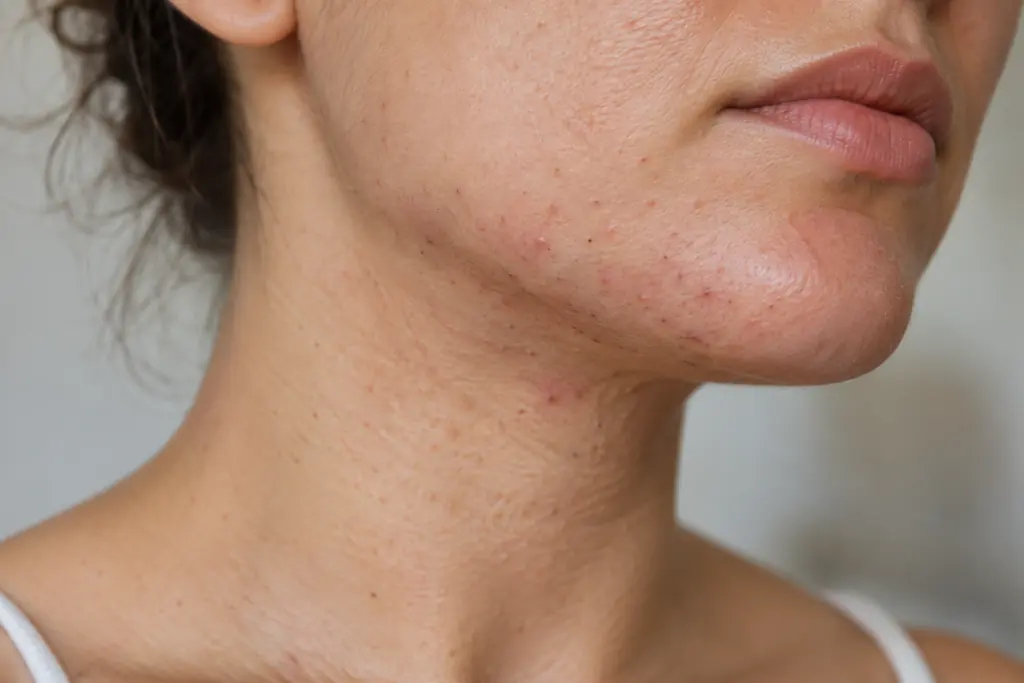
Understanding Ingrown Hairs & Post-Shaving Irritation
Ingrown hairs can develop when a hair grows back into or beneath the skin rather than growing normally through the surface.
They may appear as small bumps, redness, tenderness or darker marks and can be particularly common in areas that are regularly shaved, waxed or otherwise removed.
Post-shaving irritation can also occur when repeated hair removal affects the skin barrier or causes friction around the hair follicles.
Because recurring bumps and irritation can have different causes, we assess both your skin and hair-removal habits before recommending treatment.
Common concerns may include:
- Recurring ingrown hairs
- Razor bumps
- Post-shaving redness
- Small raised bumps
- Irritation after waxing
- Dark marks following ingrown hairs
- Uneven-looking skin
- Tender or uncomfortable areas
- Hair trapped beneath the skin
- Bumps around the beard or jawline
- Ingrown hairs around the neck
- Bikini-area ingrown hairs
- Underarm irritation
- Post-hair-removal pigmentation
What Can Cause Ingrown Hairs & Shaving Irritation?
Several factors can contribute to recurring ingrown hairs and irritation.
Shaving
Very close shaving can leave hair more likely to grow back into the surrounding skin, particularly where the hair is coarse or curly.
Waxing & Epilation
Removing hair from the root may sometimes contribute to hairs becoming trapped beneath the skin as they regrow.
Curly or Coarse Hair
Curly or tightly curled hairs may naturally be more likely to curve back toward the skin.
Friction
Tight clothing, repeated rubbing and friction can contribute to irritation in areas where hair has recently been removed.
Skin Build-Up
Dead skin cells and congestion around the follicle may make it more difficult for growing hairs to emerge normally.
Repeated Hair Removal
Frequent shaving, waxing or plucking can repeatedly irritate the same area and contribute to persistent bumps or sensitivity.
Individual Skin Characteristics
Hair texture, skin type, sensitivity and natural pigmentation can influence how the skin responds to hair removal.
Post-Inflammatory Pigmentation
Inflammation following an ingrown hair may leave behind darker marks, particularly in skin types more prone to pigmentation changes.
Treatment Options for Ingrown Hairs & Post-Shaving Irritation
Every case of recurring ingrown hairs or post-shaving irritation is different. Following consultation, we may discuss treatments designed to reduce repeated hair removal, support skin renewal and improve the appearance of associated marks or texture where appropriate.
Laser Hair Removal
Professional laser hair removal is often one of the most relevant treatment options where recurring ingrown hairs are linked to frequent shaving or waxing.
By progressively reducing suitable hair growth, laser treatment may also reduce the frequency of shaving and the irritation associated with repeated hair removal.
Facial Laser Hair Removal
Where ingrown hairs develop around the beard, chin, jawline or neck, facial laser hair removal may be considered for suitable clients.
Your skin and hair characteristics are assessed before treatment, and a patch test is completed where required.
Body Laser Hair Removal
Laser hair removal may also be suitable for areas such as the underarms, bikini line, legs, chest or other body areas where repeated hair removal contributes to recurring ingrown hairs or irritation.
Your Ingrown Hair Consultation in Birmingham
We don't expect you to know exactly why your ingrown hairs keep returning or which treatment you need before visiting us.
During your consultation, we will discuss:
- Where your ingrown hairs occur
- How frequently they develop
- Your current shaving or hair-removal routine
- Your hair type and thickness
- Your skin type and sensitivity
- Any redness, bumps or pigmentation
- Previous laser hair removal
- Products currently used on the area
- How long marks tend to remain
- Your treatment goals
- Suitable professional treatment options
- Whether medical assessment may be appropriate
From there, we can discuss a personalised treatment plan based on your skin, hair growth and individual suitability.
Consultation First. Treatment Second.
At Hello Skin Clinic, recurring ingrown hairs are not treated as one identical concern.
One client may primarily experience razor bumps after frequent shaving, while another may develop recurring ingrown hairs after waxing or experience darker marks after inflammation settles.
We first assess your skin, hair characteristics and hair-removal routine before discussing treatment.
Where repeated hair removal is contributing to the problem, laser hair removal may be considered as a longer-term hair-reduction option.
Where pigmentation, congestion or uneven texture remain after previous ingrown hairs, appropriate skin treatments may also be discussed.
Active infection, painful swelling, pus-filled lesions, significant inflammation or persistent unexplained skin changes may require assessment by a GP or another appropriate healthcare professional before aesthetic treatment.
What Happens at Your Skin & Hair Consultation
Step 1 · Consultation
Tell us where your ingrown hairs or irritation occur, how often they return and what hair-removal methods you currently use.
Step 2 · Skin & Hair Assessment
We assess your skin condition, hair characteristics, areas of irritation and any associated pigmentation or texture changes.
Step 3 · Personalised Plan
Suitable laser hair removal, skin treatments or homecare recommendations are discussed based on your assessment and individual suitability.
Step 4 · Treatment & Review
Your progress can be reviewed over time and your treatment plan adjusted where appropriate.
08 — FAQs
Questions, answered.
What is the best treatment for recurring ingrown hairs?
The most appropriate treatment depends on the area, hair type and cause. Where frequent shaving or waxing is contributing to recurring ingrown hairs, laser hair removal may be one of the most relevant longer-term options for suitable clients.
Can laser hair removal help ingrown hairs?
Reducing suitable hair growth can reduce the need for frequent shaving or waxing and may therefore help reduce recurring ingrown hairs in some clients.
Can laser hair removal help razor bumps?
Where razor bumps are associated with regular shaving and suitable hair is present, laser hair removal may reduce the amount of hair that needs to be shaved and may help reduce repeated irritation.
Can ingrown hairs leave dark marks?
Yes. Inflammation around an ingrown hair can sometimes leave post-inflammatory pigmentation after the bump has settled.
Can you treat dark marks caused by ingrown hairs?
Where suitable, professional skin treatments such as selected chemical peels or other skin-renewal treatments may be discussed for residual pigmentation. Treatment should generally focus first on controlling recurring irritation.
Should I exfoliate ingrown hairs?
Appropriate exfoliation may help some people, but aggressive scrubbing or over-exfoliating can worsen irritation. Your practitioner can recommend suitable products or homecare based on your skin.
Should I shave or wax if I keep getting ingrown hairs?
Repeated shaving or waxing may contribute to recurring irritation for some people. Your consultation can help determine whether adjusting your routine or considering laser hair removal may be more appropriate.
Can I have laser hair removal if I currently have irritated skin?
Treatment may need to be delayed if the area is significantly inflamed, broken, infected or otherwise unsuitable. Your practitioner will assess the skin before proceeding.
Can ingrown hairs become infected?
Ingrown hairs can sometimes become inflamed or infected. Painful swelling, spreading redness, pus or persistent symptoms should be medically assessed.
Your options and suitability are discussed at a free consultation before you decide.
Book
Start with a free consultation.
Consultations are free. Suitability, options and realistic expectations are discussed before any treatment is booked.
Before you book, on this page: common questions
Practitioner information: The Clinic Director’s qualifications and training →
General clinic experience — not a review of this treatment
Mary was very kind and welcoming and explained everything good.
One person’s experience, not a promised result. More client feedback →