



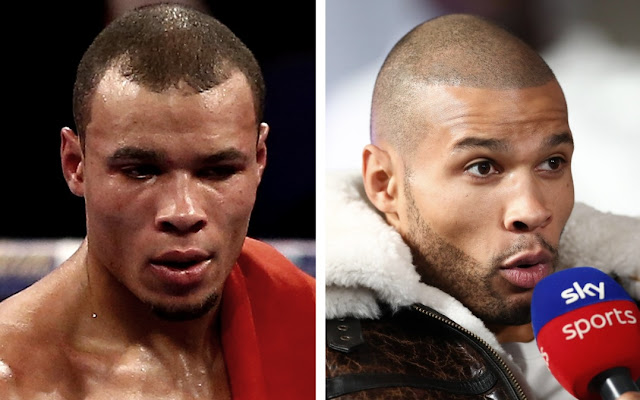
A sharp hairline can completely change the way a shaved or thinning scalp looks.
That is one reason Scalp Micropigmentation, commonly known as SMP, has attracted so much attention among men and women looking for a non-surgical way to create the appearance of fuller hair.
British boxer Chris Eubank Jr. has repeatedly been part of online discussion around SMP because of his distinctive, sharply defined hairline. There has been speculation about whether he has undergone scalp micropigmentation, but there is no reliable public confirmation that SMP is responsible for his appearance. The interest surrounding his look does, however, highlight how widely recognised the treatment has become.
At Hello Skin Clinic Birmingham, Scalp Micropigmentation is available for suitable clients concerned about hair thinning, receding hairlines, scalp visibility, baldness and selected scars.
But what exactly is SMP, does it grow hair, how natural can it look, and who may consider it?
What Is Scalp Micropigmentation?
Scalp Micropigmentation is a cosmetic pigmentation technique designed to create the visual appearance of very short hair follicles.
During treatment, tiny deposits of pigment are placed into the scalp in carefully planned patterns.
When performed well, these impressions can resemble the appearance of closely shaved hair follicles or help reduce the visual contrast between existing hair and visible scalp.
The NHS describes scalp micropigmentation as a form of permanent make-up in which tattooing is used to create the appearance of short hair.
SMP may be used to create:
- the appearance of a fuller hairline
- a close-shaved or buzz-cut effect
- greater visual density in thinning areas
- reduced contrast between hair and scalp
- camouflage around selected scalp scars
The important word is appearance.
SMP does not produce new hair.
It creates the optical effect of hair follicles or additional density.
Does SMP Grow Hair?
No.
This is one of the most important distinctions to understand before considering treatment.
Scalp Micropigmentation does not stimulate hair follicles, reverse baldness or cause hair to regrow.
Cleveland Clinic explains that SMP does not change natural hair growth and instead creates the appearance of fuller or thicker hair.
That makes SMP fundamentally different from treatments intended to address biological hair growth.
For example, someone exploring PRP for hair thinning may be interested in supporting existing follicles, while someone considering SMP may primarily want to make scalp visibility less noticeable.
The two goals are different.
Why Has Scalp Micropigmentation Become So Popular?
Hair loss can change the overall appearance of the face and scalp.
When a hairline begins to recede or the crown becomes more visible, some people explore:
- topical hair-loss treatments
- prescription treatments
- PRP
- hair transplantation
- hair systems
- scalp micropigmentation
SMP appeals to people who want a cosmetic camouflage solution without hair-transplant surgery.
It can create a visible change without needing transplanted follicles to grow.
Research published in 2025 described SMP as a cosmetic method for camouflaging baldness, thinning hair and selected scars rather than a treatment for the underlying disease causing hair loss.
SMP for a Receding Hairline
A receding hairline is one of the most common reasons men investigate Scalp Micropigmentation.
When natural hair recedes from the temples or frontal hairline, SMP can be used to create the appearance of follicle impressions in selected areas.
Hairline design is particularly important.
A good SMP hairline should take into consideration:
- age
- facial proportions
- existing hair
- future hair-loss pattern
- skin tone
- pigment colour
- preferred hairstyle
The goal does not have to be a perfectly straight, unusually low hairline.
For many clients, a softer and more natural-looking design can integrate better with their appearance.
SMP for Male Pattern Baldness
Male pattern hair loss, or androgenetic alopecia, commonly produces recession around the frontal hairline and thinning around the crown.
When someone chooses to maintain a very closely shaved head, SMP can create the illusion that hair follicles continue across areas where visible hair has been lost.
Instead of trying to reproduce long strands of hair, thousands of small pigment impressions work together to create a shaved-hair effect.
This is one of the applications most strongly associated with SMP.
SMP for Thinning Hair
Scalp Micropigmentation does not always require complete baldness.
In some cases, SMP may be used between existing hairs to reduce the contrast between the hair and scalp.
This can create the appearance of increased density when viewing the scalp from above.
At Hello Skin Clinic, SMP is currently offered for concerns including thinning hair and density enhancement, subject to assessment.
This type of approach can be relevant to both men and women where sufficient existing hair remains and the treatment can be blended appropriately.
SMP for Women With Hair Thinning
Women can experience visible scalp through:
- diffuse thinning
- widening partings
- pattern hair loss
- selected forms of alopecia
SMP can sometimes be used to darken the appearance of visible scalp between existing hairs, creating an illusion of greater density.
The goal is not necessarily to create a shaved hairline.
Instead, pigment can help reduce the colour contrast between the scalp and surrounding hair.
Hello Skin Clinic currently lists density SMP for women as one of its treatment options.
Can SMP Camouflage Hair-Transplant Scars?
SMP is also used in some cases to camouflage scars.
People who have undergone previous hair transplantation may have visible scarring, particularly following older strip-harvesting procedures.
Pigment impressions can sometimes help break up the contrast between scar tissue and surrounding hair.
Scientific literature has described scalp micropigmentation as a cosmetic camouflage option for scalp scars as well as alopecia and thinning hair.
Scar tissue behaves differently from normal scalp skin, so individual assessment is particularly important.
What Does SMP Look Like?
Good scalp micropigmentation should not look like somebody has simply coloured their scalp with one solid block of pigment.
Instead, practitioners use numerous small impressions to imitate the appearance of hair follicles.
Several factors influence how natural the result appears:
Pigment Colour
The shade needs to work with the existing hair, skin tone and intended result.
Impression Size
If pigment impressions are excessively large or dark, the result can appear less natural.
Hairline Design
The hairline should complement the person’s facial proportions and existing hair pattern.
Density
Different areas may require different pigment density to create an appropriate transition.
Layering
SMP treatment is commonly built gradually rather than trying to create the complete final effect in one aggressive session.
Hello Skin Clinic currently describes its SMP service as personalised according to treatment area, hair-loss pattern and desired result.
What Happens During an SMP Consultation?
Before treatment, the practitioner needs to understand what result you want.
The consultation may consider:
- current hair-loss pattern
- existing hair density
- scalp condition
- previous hair treatments
- previous hair transplant surgery
- scar tissue
- desired hairline
- preferred hairstyle
- skin tone
- expectations
This is also an opportunity to understand what SMP cannot do.
If somebody is primarily looking to regrow their natural hair, SMP alone does not address that goal.
What Happens During Scalp Micropigmentation?
Once a treatment plan and design have been agreed, pigment is deposited into selected areas of the scalp using specialist equipment.
Rather than creating long tattoo lines, SMP uses small impressions designed to resemble follicles.
A full result will often involve multiple sessions, allowing density and colour to be built progressively. Hello Skin Clinic currently structures full-scalp SMP over several sessions depending on the extent of coverage required.
The exact number of appointments varies according to the size of the area and the intended result.
Are SMP Results Immediate?
You can usually see a visual difference following treatment because pigment has already been placed into the scalp.
However, that does not mean the appearance immediately after the first appointment represents the final result.
The scalp may temporarily appear:
- red
- slightly irritated
- darker around fresh pigment
- more defined than it will after settling
The colour and overall appearance need time to settle, and additional sessions may be required to build the desired result.
It is therefore more accurate to describe SMP as offering an early visible cosmetic change that develops across the treatment process, rather than promising a perfect finished result after one session.
Is Scalp Micropigmentation Permanent?
SMP is long-lasting, but the appearance of pigment can gradually change or fade.
Factors affecting longevity may include:
- sun exposure
- skin characteristics
- pigment
- treatment technique
- lifestyle
- aftercare
Touch-up treatments may therefore be required in the future.
Rather than promising that every client’s SMP will last exactly four, five or six years, it is better to understand longevity as individual.
Is There Downtime After SMP?
SMP does not involve surgical removal or transplantation of hair follicles, so recovery is generally different from hair-transplant surgery.
However, describing SMP as having “no downtime” is too absolute.
Because the scalp is being repeatedly penetrated to place pigment, temporary reactions can occur.
These may include:
- redness
- tenderness
- mild irritation
- temporary sensitivity
Your practitioner should explain how to care for the scalp following each session.
Is SMP Safe?
Scalp Micropigmentation is a procedure involving pigment placement into the skin, so it is not completely risk-free.
Potential complications associated with micropigmentation and tattoo-type procedures can include:
- infection
- allergic or inflammatory reactions
- pigment migration
- unsatisfactory colour
- scarring
- an unwanted aesthetic result
Appropriate hygiene, sterile equipment and practitioner skill are therefore important considerations.
Having an experienced practitioner is especially important because correcting poor SMP can be significantly more difficult than planning the original treatment properly.
SMP vs Hair Transplant
SMP and hair transplantation solve different problems.
Scalp Micropigmentation
Creates the appearance of follicles using pigment.
It:
- does not transplant hair
- does not create new hair growth
- does not require donor follicles
- can create a shaved-head effect
- can reduce visible scalp contrast
Hair Transplant
Surgically relocates existing hair follicles from a donor area into another part of the scalp.
The aim is actual growing hair rather than cosmetic pigment.
Neither is automatically better.
The appropriate route depends on whether someone wants actual hair restoration, cosmetic camouflage, or a combination of approaches.
SMP vs PRP Hair Treatment
These treatments are also very different.
PRP
PRP uses platelet-rich plasma prepared from the person’s own blood and is studied primarily as a treatment for selected forms of hair thinning.
SMP
SMP uses pigment to create an optical appearance of density.
It does not alter follicle biology.
Someone may therefore have a completely different reason for considering one treatment versus the other.
Who May Consider SMP?
Scalp Micropigmentation may be explored by people concerned about:
- receding hairlines
- male pattern baldness
- visible crown thinning
- diffuse thinning
- scalp visibility
- selected alopecia-related cosmetic concerns
- hair-transplant scars
- other appropriate scalp scars
- creating a close-shaved hair appearance
Suitability still depends on the scalp, hair-loss pattern, expectations and treatment area.
Does SMP Work on Different Skin Tones?
SMP can be adapted according to different skin tones and hair colours by modifying pigment choice, density and treatment technique.
The objective is to achieve enough contrast to resemble natural hair follicles without making the pigment appear disconnected from the surrounding scalp and hair.
This is another reason why colour selection should be personalised rather than using exactly the same pigment formula on everyone.
Frequently Asked Questions
Does SMP grow your hair back?
No. SMP creates the appearance of follicles but does not stimulate new hair growth.
Is SMP the same as a normal tattoo?
Both involve pigment placement, but SMP uses specialised techniques intended to create tiny follicle-like impressions across the scalp rather than traditional tattoo artwork.
Can women have SMP?
Yes. SMP can sometimes be used to reduce visible scalp contrast in women experiencing diffuse thinning or widening partings. Hello Skin Clinic currently offers density-focused SMP options for women.
Can SMP cover scars?
Selected scalp scars, including some hair-transplant scars, may be camouflaged using micropigmentation.
How many SMP sessions are required?
The treatment commonly requires several sessions to build pigment density and create the final appearance. The exact number depends on coverage and the individual treatment plan.
Is SMP suitable if I still have hair?
Potentially. Density-focused SMP can sometimes be performed between existing hairs to reduce the visual contrast between thinning hair and scalp.
Does SMP look natural?
The result depends greatly on hairline design, pigment colour, dot size, density and practitioner technique.
Scalp Micropigmentation at Hello Skin Clinic Birmingham
Hair loss can affect people differently.
Some want to explore treatments aimed at maintaining existing hair.
Some consider transplantation.
Others are comfortable keeping their hair extremely short but want the scalp to have the appearance of greater density and a more defined hairline.
That is where Scalp Micropigmentation can offer a different option.
At Hello Skin Clinic Birmingham, SMP is available for suitable men and women concerned about hair thinning, receding hairlines, scalp visibility and selected scars. Current options include full-scalp SMP, partial coverage, density treatments and scar camouflage.
The treatment does not promise new hair.
Instead, it uses carefully placed pigment to change how hair loss appears.
For the right client, that difference can be significant.
Learn more about Scalp Micropigmentation in Birmingham.
Scalp Micropigmentation is a cosmetic pigmentation procedure and does not treat the underlying cause of hair loss or stimulate new hair growth. Treatment is subject to consultation and individual suitability.